Loading...
Serving Union City, CA and surrounding areas. (510) 535-8438
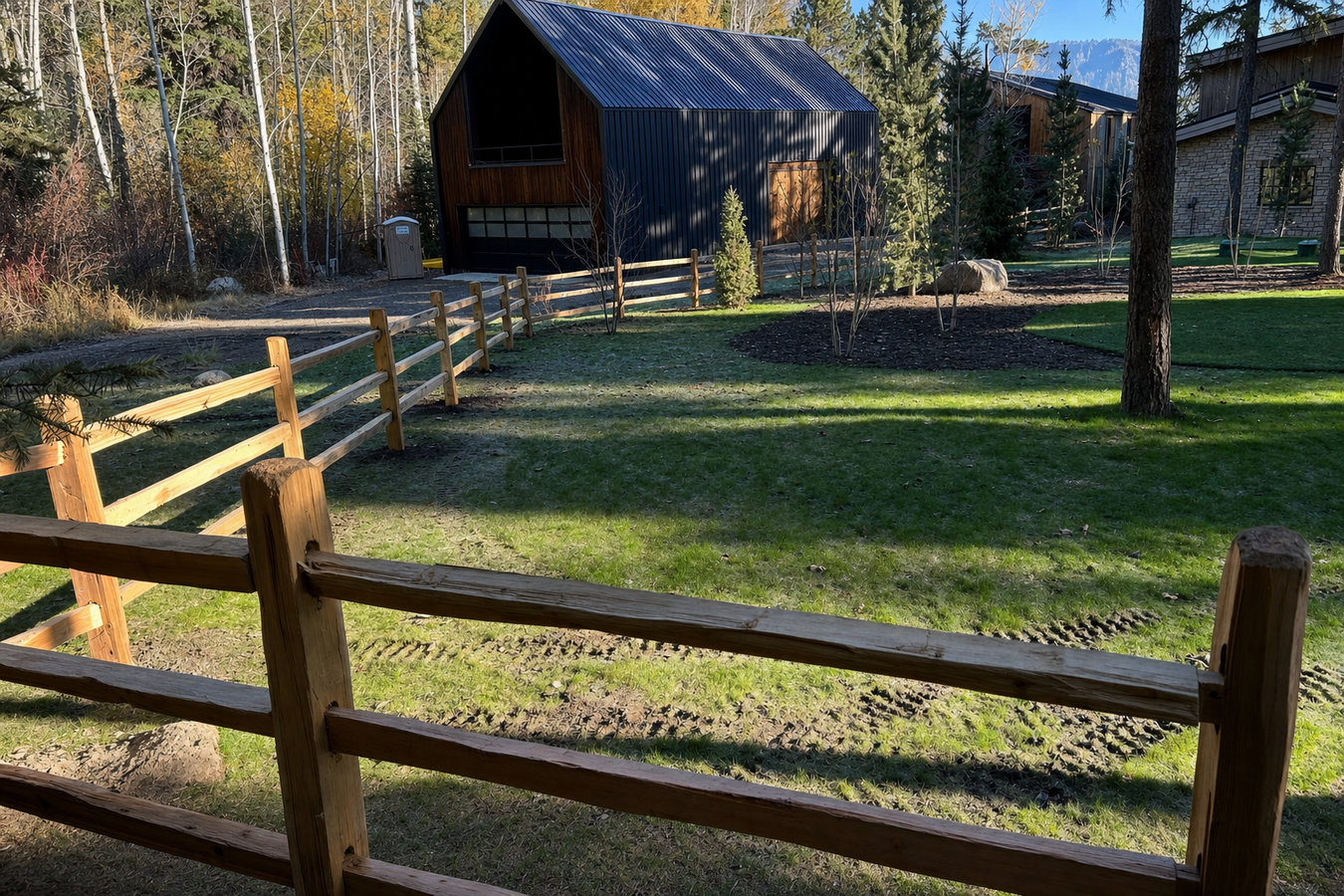
Leaning posts, broken gates, and gaps at ground level are how livestock escape and wildlife gets in. We build farm fences in Union City that are set for East Bay soil, braced for seismic conditions, and built to last through wet winters.
Farm and ranch fencing in Union City covers perimeter fencing to keep animals in or out, interior pasture dividers, and protective barriers around outbuildings - most residential farm fence projects are completed in one to three days once permits are cleared and the fence line is marked.
Union City and the surrounding East Bay present real challenges for agricultural fencing - clay-heavy soil that shifts every season, proximity to the Hayward Fault, and a permit process that applies to most fences over six feet tall. These are not reasons to delay, but they are reasons to hire a contractor who has worked in this area and knows how to account for all three. The fence you get at the end should be straight, solid, and still performing the same way five winters from now.
If you are also thinking about enclosures for dogs or smaller animals on the same property, our pet and dog fencing service handles those separately. And for homeowners who want a more traditional look for a rural property boundary, our wood fence installation team builds custom wood perimeter fences that work well in semi-rural settings.
Walk your fence line and push on each post. If any of them move, lean noticeably, or feel soft at the base, the post is failing - from rot, soil movement, or improper installation. In Union City's clay-heavy soils, posts that were not set deep enough are especially prone to this after a wet winter season.
If livestock have escaped or you are finding signs that wildlife is getting onto your property, your fence is no longer doing its job. Even a small gap at ground level is enough for goats, dogs, or determined wildlife to exploit. This is a safety issue, not just a maintenance task.
Rot in wood fence posts almost always starts underground or right at the soil line, where moisture collects. Dark discoloration, soft wood you can press a finger into, or pieces that crumble when touched mean the post is compromised. Union City's damp winters and bay-influenced humidity accelerate this in untreated wood faster than many homeowners expect.
A gate that no longer hangs level is a sign that the gate post is failing or was never properly braced. Once a gate post begins to lean, the weight of the gate accelerates the movement. This is often the first visible sign that a fence section needs serious attention - and it usually does not fix itself.
The material and configuration you need depends on what you are fencing in or out. For horses and large livestock, pressure-treated wood post-and-rail is the most common choice in the East Bay - the posts are heavy enough to handle animal pressure and treated to resist moisture at ground level, where rot starts. High-tensile wire with wooden corner bracing is a longer-lasting alternative that costs less per linear foot and holds up through decades of seasonal soil movement with minimal maintenance.
For properties that need more than just a perimeter fence, we install interior pasture dividers that let you rotate grazing areas or separate animal groups. These use the same post depth and gate hardware standards as the perimeter fence - not a lighter version that will fail under the same conditions. If you are also looking at keeping dogs or smaller animals contained on the same property, our pet and dog fencing crew can handle that section separately or as part of the same project. For properties with a more traditional look in mind, our wood fence installation team builds custom wood perimeter fences with the right materials for this climate.
A classic choice for properties with horses or cattle - pressure-treated posts rated for ground contact hold up well in Union City's damp winters and are available in multiple rail configurations.
A long-lasting perimeter option with wooden corner bracing that handles large livestock loads and East Bay seismic conditions better than lighter wire alternatives.
Full boundary fencing for defining property lines, keeping animals contained, and deterring wildlife - designed to the terrain and soil conditions of your specific parcel.
Cross-fencing to subdivide grazing areas, separate animal groups, or create rotational grazing paddocks - built with the same post depth and gate hardware standards as the perimeter fence.
Union City sits on a mix of bay mud and expansive clay soil, depending on where your property is located. That soil swells when it absorbs rain every winter and shrinks back as it dries in summer. Posts that are not set deep enough or braced at corners properly will lean or pull out of the ground within a year or two in these conditions - it happens on properties across Union City every wet season. Knowing the right post depth and footing approach for each section of a fence line here is something that comes from working this ground, not from a standard spec sheet.
Homeowners we work with in Pleasanton and Livermore have properties with similar agricultural characteristics and some of the same soil challenges. The Hayward Fault runs through the broader East Bay, and even moderate seismic activity can loosen posts that were not properly braced at corners. We build corner assemblies with enough depth and bracing to handle minor ground movement without the fence shifting or pulling apart at the joints.
The City of Union City also has active code enforcement through its Community Development Department. Fences over six feet in most zones require a permit, and agricultural properties with mixed-use zoning can have additional requirements. We know this process and handle it before the first post goes in. For more on how fencing interacts with California agricultural land designations, the UC Agriculture and Natural Resources cooperative extension is a reliable reference.
We ask a few basics before visiting your property: what animals are you fencing, how much linear footage are you estimating, and do you have any areas with unusual terrain or soft ground. These questions help us show up prepared rather than starting from scratch.
We visit your property, walk the planned fence line with you, check ground conditions, and note any challenges. A written estimate follows within a few days - broken out by materials, labor, and any permit fees. No guessing at the final cost.
We handle the permit application with Union City's Community Development Department and call 811 to get underground utilities marked before any digging starts. Both are required - permit processing typically takes one to two weeks.
The crew sets posts, attaches rails or wire, and hangs gates. Before we leave, walk the fence line with us - test every gate, push on corner posts, check for gaps at ground level. We leave the site clean with no leftover materials.
We respond within one business day, provide a written estimate before any work starts, and handle every step from permit to final walkthrough.
Union City's clay-heavy soil shifts every winter, and the Hayward Fault means the ground here moves in ways it does not in most of California. We set posts at depths and brace corners to a standard that accounts for both - your fence will still be straight after a wet season or a minor tremor.
Every project gets a written quote that breaks out materials, labor, and permit fees before work begins. You know exactly what you are paying before we start - no line items that appear on the final invoice that were not discussed upfront.
We submit the permit to Union City's Community Development Department, coordinate any required inspections, and make sure the work is on record. An unpermitted fence can become a problem at resale - a permitted one never does.
We call California 811 on every project before drilling a single hole - it is state law, and it protects your property from an accidental utility strike. You can verify our California contractor license anytime at the CSLB website.
Farm fence work in Union City involves soil conditions, seismic considerations, permit requirements, and sometimes agricultural zoning - all on the same project. We have worked through every combination of those factors across the East Bay, and we bring that experience to every job we take in this area.
For Union City properties that also need enclosed runs or containment for dogs and smaller animals, we build purpose-specific pet enclosures on the same visit.
Learn MoreCustom wood perimeter fencing for semi-rural properties in Union City - pressure-treated posts, custom heights, and the natural look that complements agricultural land.
Learn MoreWe are booking projects now - call or submit a request and we will respond within one business day with a time to walk your property.